FOOD SECURITY
While food goes to waste in urban areas, there are many underdeveloped areas where people repeatedly face a stark shortage of food which leads to problems like malnutrition, price hikes, and famine. There is a precise uneven distribution of food worldwide. Managing Food Security is one of the most critical issues to be solved under the ambit of Sustainable Development Goals as laid out by the United Nations.
Food prices are reaching all-time highs and the global population is continuing to grow, ensuring food security is a top priority for many governments. Guaranteeing the physical availability of food on a national and global level is a tall order. How can the nutritional and protective benefits of Boron be applied in the food chain to improve security? What we can do to ensure that everyone has enough access to nutritious food?
AVAILABILITY
ACCESS
UTILIZATION
STABILITY

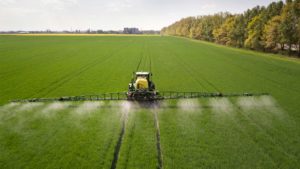
Agriculture: The Importance of Boron
The Role of Boron in Agriculture Boron is a chemical element that aids in the growth of crops and agricultural operations. It helps to provide healthy soil and increase crop yields. It also reduces leaching from soils, prevents diseases in plants, as well as many...
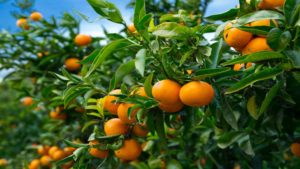
Citrus Fruits and Boron: What You Need to Know
Citrus fruits are an important part of many diets. Boron is a trace element used to produce citrus fruits for plant development and preserve consistent fruit yield and quality.
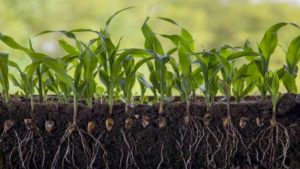
Boron Fertilizer and Corn Plant Yield
The corn plant is a popular houseplant for its attractive and shiny leaves. Corn is a major food source for humans and animals and is used to manufacture many products, including biofuels. But did you know that a corn plant needs boron to grow and develop properly?
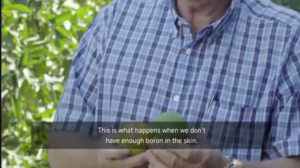
Boron Feeds the World
Progressively Agriculture needs to become efficient to give a population that Is developing. As a factor that is crucial to crop development. Boron feeds the world
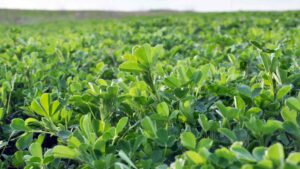
Alfalfa Plant Needs A Powerful Dose Of Boron
Alfalfa plant need boron to thrive and reach their full potential. It's a trace element, but even in small amounts, it can make all the difference for this plant.
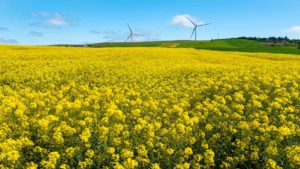
Canola Needs Boron to Thrive
Canola is a Brassica family member with especially high boron requirements. Boron deficiency significantly impacts seed production; yields are doubled when 2 lbs of boron per acre are applied to the canola field with no visual anomalies.
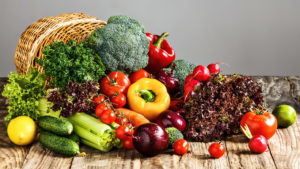
Boron in Food
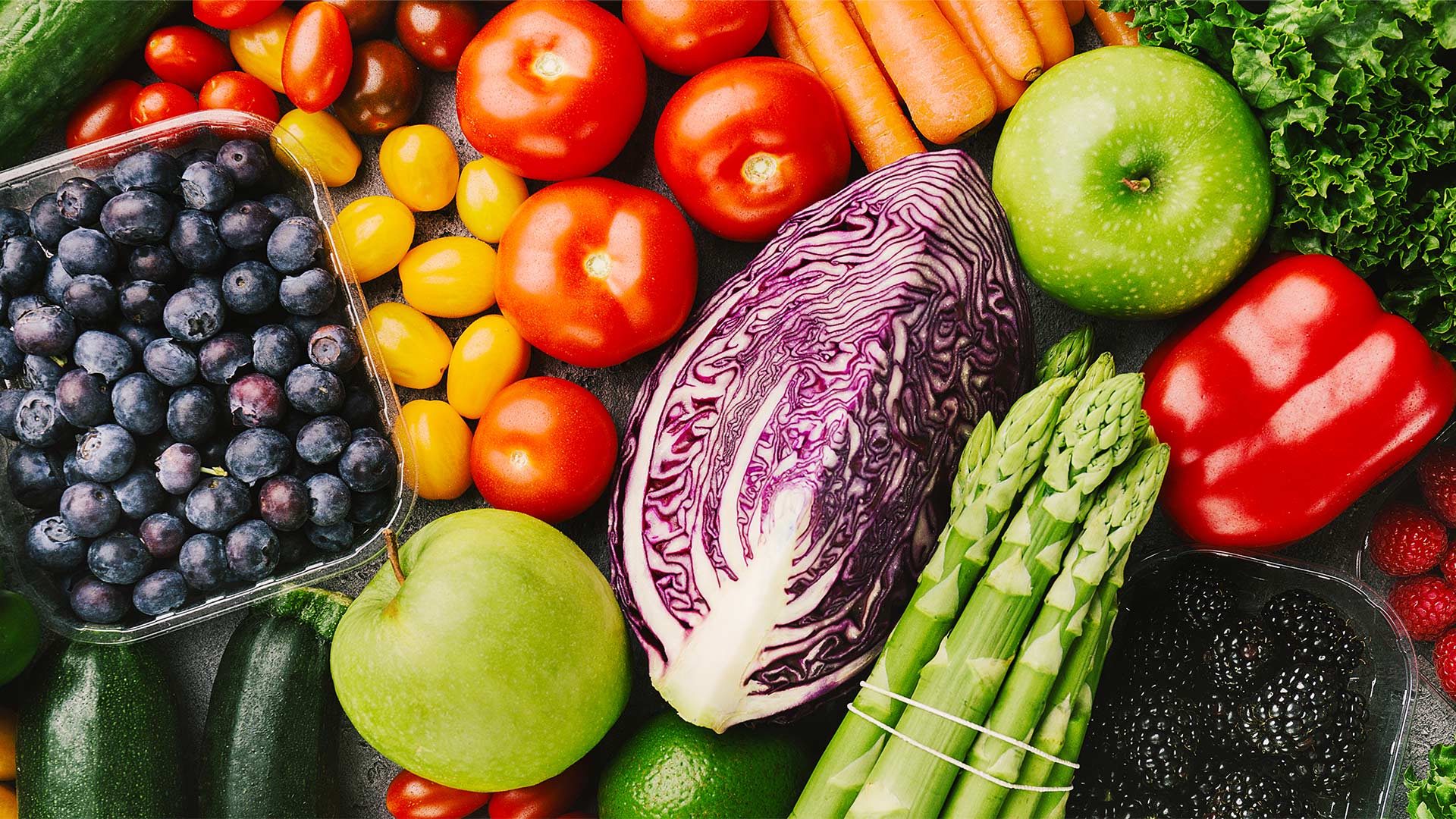
The highest levels of boron are found in plant foods, including fruit, legumes, and tubers, leafy green vegetables, kale, spinach, and non-citrus fruits. Boron can also be seen as a component of grains, fruits, nuts, prunes, raisins, and other non-citrus fruit. Boron is also found in lesser amounts in beer, wine, and cider.
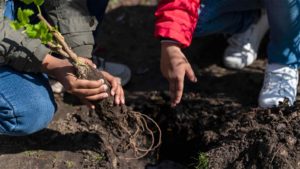
Vegetable Garden: An Ultimate Guide To Using Boron
Gardeners looking to add boron to their vegetable garden can do so in various ways. This helpful mineral plays a vital role in plant growth and development and can help improve overall yields. Learn how to add boron to the vegetable garden. Understand the benefits that this mineral can provide not only in the soil but also in the transportation and nutritional value boron brings to garden vegetables, and plants for that matter.
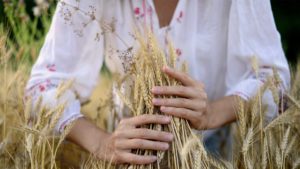
What is Food Security
"Food security is a condition that exists when all people have, at all times, physical, social, and economic access to sufficient, safe, and nutritious food to meet their dietary needs and food preferences for an active and healthy life." The Rome Declaration on World Food Security and the World Food Summit Plan of Action.
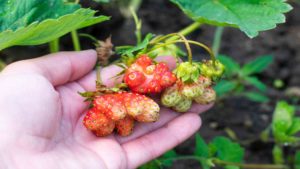
Boron Deficiency in Plants: Symptoms and Cures
Boron deficiency is the most common micronutrient deficiency that causes crop production and quality losses. But what are its symptoms and cures?